


Introduction: The Dawn of the Longevity Economy in the United States (2025)
America’s population is getting older, and this change is reshaping the economy in ways that touch every corner of daily life. With longer lifespans and fewer births, the nation faces a surge in the number of seniors, turning what was once seen as a demographic challenge into a booming economic powerhouse known as the longevity economy. This sector covers everything from health services to consumer goods aimed at helping people of all ages make the most of extended years.

By 2025, longevity economy trends across the United States will pick up speed, influencing sectors like healthcare, finance, tech, and city planning. For business owners, investors, government officials, and everyday folks, grasping these shifts is essential to staying ahead. This overview explores the main forces at play, the trends to track, and practical steps forward, all with an eye on how the U.S. can turn longer lives into shared prosperity.
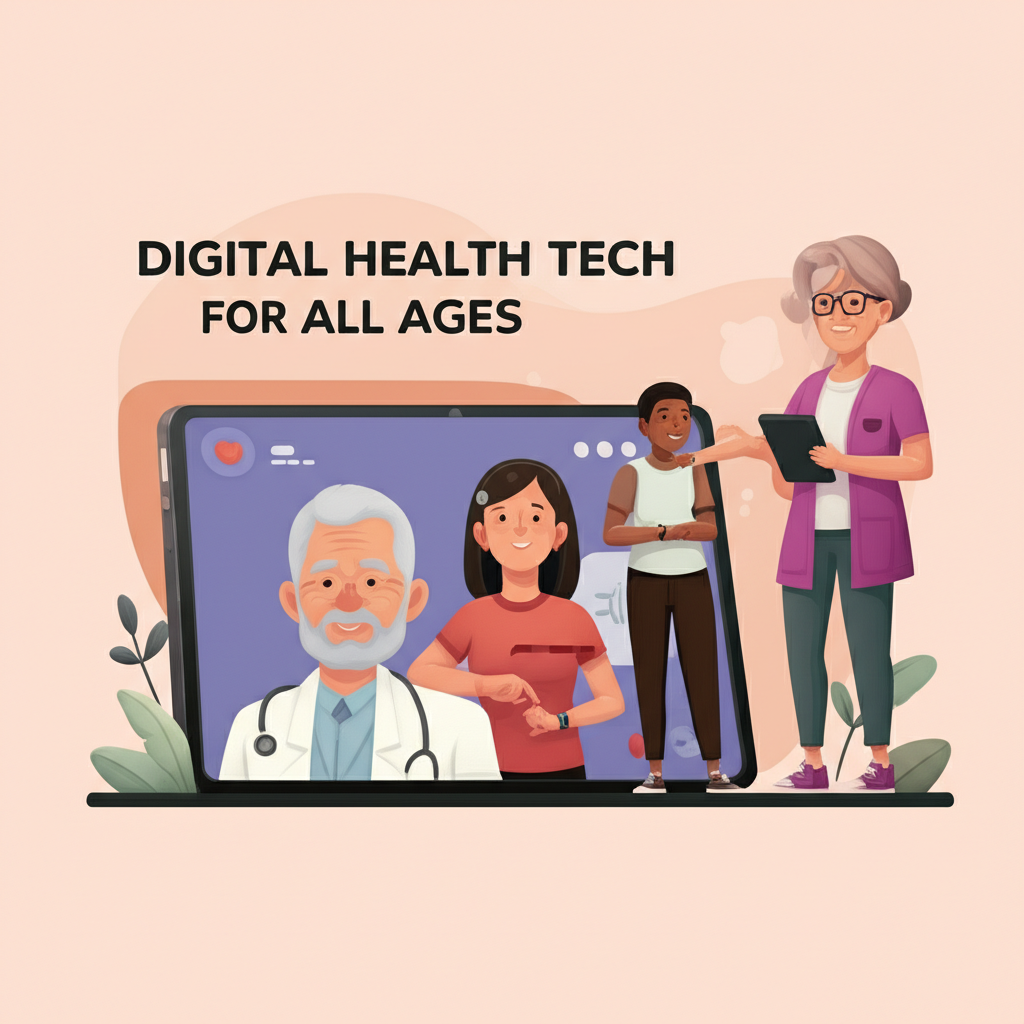
These developments aren’t just about adding years to life-they’re about enhancing those years through smarter policies and innovations that benefit everyone, from young professionals planning ahead to retirees staying active.
Defining the Longevity Economy and Its Core Principles in the US Context
The longevity economy goes well beyond products for seniors; it’s about the broad economic ripple effects of people living longer across every life stage. Think of it as the full range of goods and services that promote healthier, more productive, and richer lives from childhood through the golden years. In the United States, that means everything from apps encouraging young adults to adopt preventive health habits to retirement accounts built for decades of post-work freedom and gadgets that keep older Americans independent.
At its heart, this economy rests on four key pillars that guide how we approach extended lifespans:
- Health and Wellness: Cutting-edge tools and programs that bolster physical fitness, mental sharpness, and emotional balance at every age, like community fitness classes tailored for mixed-age groups.
- Wealth and Financial Security: Strategies and tools, including financial planning, to stretch savings over longer careers and retirements-consider hybrid models that blend work and leisure for those in their 70s.
- Work and Contribution: Pathways for ongoing involvement in jobs and communities, with a focus on workforce longevity through lifelong training and remote work options that let experienced workers contribute without full-time demands.
- Living Environments: Spaces like neighborhoods and homes designed for ease of movement, safety, and interaction, ensuring people stay connected regardless of age or ability.
The impact on the U.S. economy is staggering. According to AARP, this sector already pumps trillions into the GDP, and with baby boomers aging and millennials eyeing their own futures, that number will climb even higher. It’s no exaggeration to call it a cornerstone of 21st-century growth.
Key Drivers Shaping Longevity Trends in the US for 2025
A mix of forces is fueling the rise of longevity economy trends in the United States as we head into 2025. These elements not only highlight hurdles but also open doors to fresh possibilities that could redefine prosperity.
Demographic Shifts
At the core lies a seismic change in who makes up the population. Life expectancy in the United States keeps climbing, with more folks reaching their 80s, 90s, and even 100s in good health. Yet birth rates are dropping, leaving a thinner slice of young workers to support a swelling aging population. This setup offers a “silver dividend” of wisdom and spending power but strains systems like Social Security and prompts rethinking retirement timelines. Families are smaller and more spread out too, ramping up the need for external support in caregiving and social ties.
Technological Advancements
Tech breakthroughs are supercharging this shift. The blend of AI, biotech, virtual doctor visits, fitness trackers, and online networks is spawning solutions that monitor health in real time, customize treatments, and ease everyday challenges. For instance, AI-driven apps can predict health risks early, helping not just seniors but entire families extend their healthy years. These tools turn potential vulnerabilities into strengths, boosting productivity and joy across generations.
Policy & Regulatory Environment
What happens in Washington and state capitals matters a lot. Federal programs like Medicare expansions and Medicaid tweaks, plus state-level perks for elder care taxes and research grants on age-related illnesses, are steering the course. Efforts to boost workplace age diversity, ease caregiver leaves, and fund inclusive city designs are equally vital. Recent examples include bipartisan pushes for better long-term care funding, showing how policy can amplify economic gains from longer lives.
Evolving Consumer Behaviors
People’s habits and hopes are shifting fast. Older Americans today are tech-fluent, adventurous, and varied in background, seeking options that match their energy rather than assumptions about frailty. Meanwhile, younger crowds are getting serious about financial planning early and wellness routines to secure their own long horizons. This evolution is forcing companies to rethink stale approaches, leading to more tailored marketing and products that appeal to a lifespan mindset.
Major Longevity Economy Trends to Watch in the United States (2025)
Heading into 2025, standout longevity economy trends in the United States promise to spark growth and better living standards, from medical breakthroughs to redesigned cities.
Healthcare Innovation & Personalized Wellness
The U.S. health landscape is evolving rapidly to match longer lives. Healthcare innovation now centers on precision approaches, using DNA insights and health markers to craft bespoke therapies and prevention plans. Virtual consultations and home monitoring devices are breaking down barriers, particularly in remote areas where access has been spotty. Everyday aids like automated pill reminders and sensors that alert for falls are going mainstream. Mental health gets equal billing too, with apps providing therapy-like support on demand, underscoring how emotional resilience ties into physical longevity.
Reimagining Work, Retirement, & Lifelong Learning
Forget the old straight-line job-to-retirement model-it’s fading fast. The longevity economy paves the way for careers with multiple chapters, where someone might switch fields midlife, consult part-time after 65, or launch passion projects as an “encore.” Employers are rolling out flexible schedules to fit varied life stages, while online courses and corporate training keep skills sharp. This focus on workforce longevity isn’t just nice-it’s necessary to keep the U.S. economy humming by tapping the vast knowledge of seasoned professionals, potentially adding billions in output.
Financial Services & Wealth Management for an Extended Life
Longer lives mean rethinking money matters from the ground up. Standard savings plans fall short for retirements that could span three decades or more, spurring interest in long-term care policies, annuities with stretched payments, and hybrid investment-retirement funds. Families are also plotting multi-generational handoffs to safeguard wealth across eras. Wall Street is responding with advice firms specializing in these scenarios, helping Americans build nests that last.
| Sector | Primary Drivers | Estimated Annual Growth Rate (CAGR) |
|---|---|---|
| Health & Wellness Tech (Age-tech, Telemedicine) | Demographic shift, AI/Biotech advancements, preventative care focus | 12-15% |
| Financial Services (Long-term Care, Retirement Planning) | Increased life expectancy, evolving retirement models, intergenerational wealth | 8-10% |
| Lifelong Learning & Workforce Development | Multi-stage careers, skill gaps, demand for flexible work | 7-9% |
| Age-Friendly Housing & Urban Planning | Desire for independent living, community integration, accessibility standards | 6-8% |
Projected Growth in Key Longevity Economy Sectors (US, 2025-2030)
Technology, AI, & Digital Inclusion for an Aging Population
Tech belongs to everyone, especially as the aging population grows. Voice-activated homes with adjustable lights and security make solo living safer and simpler. AI-enhanced prosthetics and chatbots assist with movement and chats, while virtual companions combat loneliness-a growing issue for isolated seniors. Caregiver apps streamline support too. Still, closing the digital gap is urgent in the United States, through affordable broadband and training programs that ensure no one misses out on these life-improving tools.
Housing, Urban Planning, & Age-Friendly Community Design
How and where we live must adapt to longevity. Demand is surging for homes that evolve with residents-think modular setups for multigenerational families or easy-mod wheelchair ramps. Cities are prioritizing walkable streets, reliable transit, and green spaces that invite activity. AARP’s Age-Friendly Communities Network exemplifies this in the United States, partnering with local governments to build inclusive spots where kids, parents, and grandparents mingle and support each other, enhancing quality of life at all stages.
Evolving Consumer Behavior & Market Adaptation
The spending habits of an aging population are flipping markets upside down. Companies see the value in experiences over stuff, offering tailored travel packages for active boomers or hobby kits for empty-nesters. Age stereotypes in ads are out; in are diverse images of seniors hiking or starting businesses. U.S. brands are leaning in, creating lines that celebrate vitality and variety, which not only boosts sales but also fosters a culture that values every age.
Navigating Challenges and Unlocking Opportunities in the US Longevity Economy
The longevity economy holds huge promise for the United States, yet hurdles remain. Tackling them smartly will unlock its full force.
Addressing Key Challenges
- Healthcare Costs: Expenses for ongoing illnesses and elder care are skyrocketing in the United States. Shifting toward prevention, like widespread screenings, and creative financing, such as public-private partnerships, could ease the load.
- Social Equity Disparities: Not everyone has equal shot at top-tier care, gadgets, or savings, widening gaps in the aging population. Targeted programs for low-income or minority communities are key to fairness.
- Caregiver Burden: Family members often shoulder the weight of care, leading to burnout without enough paid leave or respite services to help.
- Infrastructure Gaps: Much of America’s roads, buildings, and transit systems predate the current aging population boom, calling for upgrades like better sidewalks and universal design standards.
Seizing Opportunities
- New Market Creation: Entrepreneurs can thrive by inventing needs-based solutions, from adaptive clothing to virtual reality therapy, spawning jobs in emerging fields.
- Economic Growth Drivers: Pouring funds into age-tech, biotech labs, and health facilities will ripple through the economy, spurring startups and exports.
- Fostering Social Innovation and Intergenerational Solidarity: Programs linking generations-like shared housing or youth-elder mentorships-build stronger communities, passing down skills and reducing isolation.
The Future Outlook: Longevity Economy in the United States Beyond 2025
Past 2025, the longevity economy in the United States will keep expanding, with over-65s making up a bigger share of the pie. This will heighten needs for custom health tech, adaptable jobs, and welcoming homes. AI will evolve to forecast wellness trends and personalize everything from diets to finances. Culturally, “old age” will lose its stigma, replaced by a focus on continuous growth and bonds. To thrive, the U.S. should ramp up R&D funding for aging science, guarantee tech access via education drives, overhaul care systems, and reward companies for inclusive hiring. Ultimately, the aim is a nation where more years mean more fulfillment for all.
Conclusion: Embracing the Longevity Revolution in the United States
Longevity economy trends mark a pivotal era for the United States, blending population changes, tech leaps, and shifting preferences to transform society. As 2025 nears and passes, these forces will redefine opportunities from cradle to beyond. It’s bigger than just an aging population-it’s a chance to rethink human limits and economic vitality over full lifespans.
To make it work, everyone in the US must step up: companies innovating for new realities, leaders crafting enabling rules, and people preparing for vibrant longevity. By leaning into the longevity economy with smart investments, America can secure not only wealth but also a more connected, resilient future where extra time is a gift.
What is the longevity economy and why is it significant for the United States?
The longevity economy includes all economic activities that address the needs of individuals with longer lifespans, no matter their age. For the United States, its importance stems from being a multi-trillion-dollar powerhouse fueled by the aging demographic, opening doors to breakthroughs, employment, and progress in areas such as healthcare, finance, and technology.
What are the biggest predictors of longevity in the US?
Top factors influencing longevity in the US involve reliable healthcare access, solid habits like balanced eating, regular activity, and steering clear of tobacco, plus income levels, schooling, and robust relationships. Genes matter, but daily choices and surroundings increasingly take the lead.
What are the key economic trends driven by longevity in 2025?
By 2025, major US longevity economy trends feature accelerated healthcare advances like targeted treatments and age-tech, fresh takes on careers and retirement via phased work lives, expansion in finance tailored for drawn-out retirements, broad use of AI and digital aids for seniors, and planning for inclusive housing and neighborhoods.
How does the AARP define and address the longevity economy?
AARP views the longevity economy as the total economic output from the demands of those 50 and older, plus offerings that aid everyone in achieving healthier, extended lives. They tackle it via studies, pushing for supportive laws like age-friendly towns and financial protections, and programs that encourage vital aging and cross-generation ties.
What is the estimated market size of the longevity economy in the United States?
Estimates differ slightly depending on scope, but the US longevity economy tops $8 trillion yearly, ranking as a top-tier, rapidly expanding segment. Growth will accelerate with the rising senior count and ongoing innovations.
How is technology impacting longevity trends and the economy in the US?
In the US, tech like AI, biotech, and online tools is reshaping longevity by advancing custom care, enabling distant check-ins, strengthening social links, securing homes, and birthing fields such as age-tech. This drives the economy through novel offerings, services, and roles while elevating life quality for those with longer spans.
What are the primary challenges and opportunities within the US longevity economy?
Main hurdles encompass escalating medical bills, unequal access across groups, strains on caregivers, and outdated setups. Possibilities include launching fresh markets, boosting the economy via health and finance tech, and sparking social advances with generational teamwork. Smart handling of issues will let the US capture these upsides.
How can individuals and businesses in the US prepare for the longevity economy, especially concerning investments?
People should focus on enduring financial strategies, spread-out portfolios, and ongoing education for job flexibility. Companies need to revamp offerings for changing demands, adopt inclusive policies, and explore age-tech. For investment variety, platforms like Moneta Markets serve as a key resource for personal and organizational traders eyeing worldwide opportunities. Holding an FCA license for strong oversight and featuring an easy-to-use interface, it provides entry to assets like shares and indexes linked to longevity sectors (such as healthcare, tech, and consumer items), enabling savvy diversification for lasting financial health.
What are the advantages of using platforms like Moneta Markets for managing wealth in the context of the longevity economy?
For longevity-focused wealth building, platforms like Moneta Markets stand out with their FCA license ensuring a safe trading space for sustained holdings. The user-friendly setup and wide array of options, from key indexes to equities, help craft sturdy investments tied to booming longevity areas. Added perks like simple deposits and payouts make it ideal for securing long-term financial growth and steadiness.
 English
No responses yet