

Introduction: What is the DXY and Why is it Crucial for the United States Economy in 2025?
The US Dollar Index, or DXY, serves as a key measure of the dollar’s value on the world stage. It tracks the US currency’s performance relative to a group of leading global currencies, giving a clear picture of its international strength. For investors, companies, and officials in the United States heading into 2025, keeping tabs on the DXY goes beyond theory-it’s essential for handling global trade pressures, managing inflation risks, evaluating corporate profits, and safeguarding financial health. With shifting worldwide economic conditions, changes in the DXY will affect import costs, export viability, and more, turning it into a vital guide for smart choices.
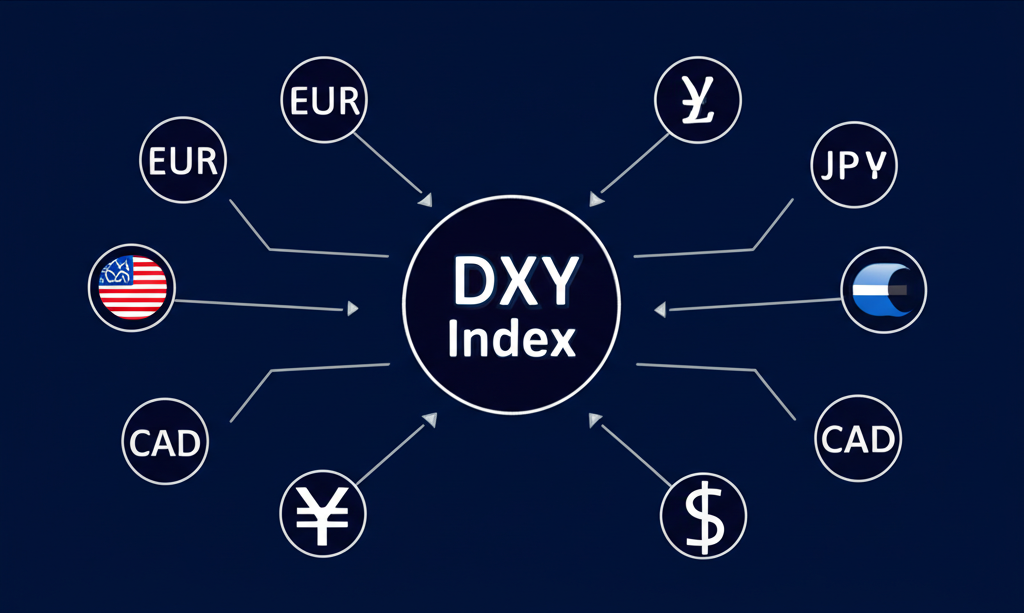
This index isn’t just about numbers; it shapes everyday economic realities. A rising DXY can signal confidence in the US economy, drawing in foreign capital, while a dip might highlight vulnerabilities or policy shifts. As 2025 unfolds, these fluctuations could influence everything from consumer prices to investment strategies, making the DXY a cornerstone for anyone tied to the United States financial system.
Understanding the US Dollar Index (DXY): Components and Calculation
Getting a solid handle on the DXY requires digging into its makeup and the math behind its numbers.
The DXY Basket: Which Currencies Are Included?
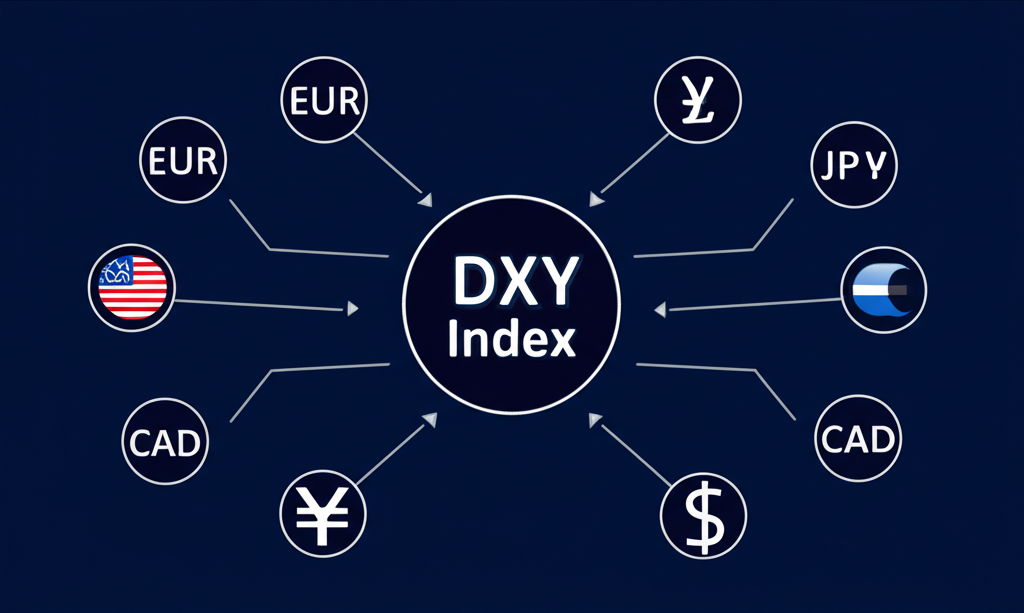
The DXY draws from a weighted mix of six key currencies from the United States’ top trading partners and economic powerhouses. Here’s the breakdown of the current lineup and their weights:
- Euro (EUR): 57.6%
- Japanese Yen (JPY): 13.6%
- British Pound (GBP): 11.9%
- Canadian Dollar (CAD): 9.1%
- Swedish Krona (SEK): 4.2%
- Swiss Franc (CHF): 3.6%
The euro’s dominant share, covering several European countries, means its ups and downs can swing the entire index noticeably.
How is the DXY Value Calculated?
Calculations for the DXY use a geometric mean of the exchange rates between the US dollar and those six currencies. This approach keeps any one currency from overly influencing the result, providing a fair gauge of the dollar’s overall power. Launched with a baseline of 100, the index shows changes from that starting point-a reading of 105, for instance, indicates a 5% gain in the dollar’s value against the basket.
Historical Context: When was the DXY established and why?
The DXY came into being in March 1973, right after the end of the Bretton Woods fixed-rate era. It filled a gap by offering a reliable yardstick for the dollar in an age of floating rates, especially as cross-border trade and investment grew. For deeper dives into its background, check out the ICE DXY website.
The DXY’s Impact on United States Markets and Global Trade in 2025
Shifts in the DXY send waves across the United States economy and beyond, with clear effects expected in 2025.
DXY and US Export/Import Competitiveness
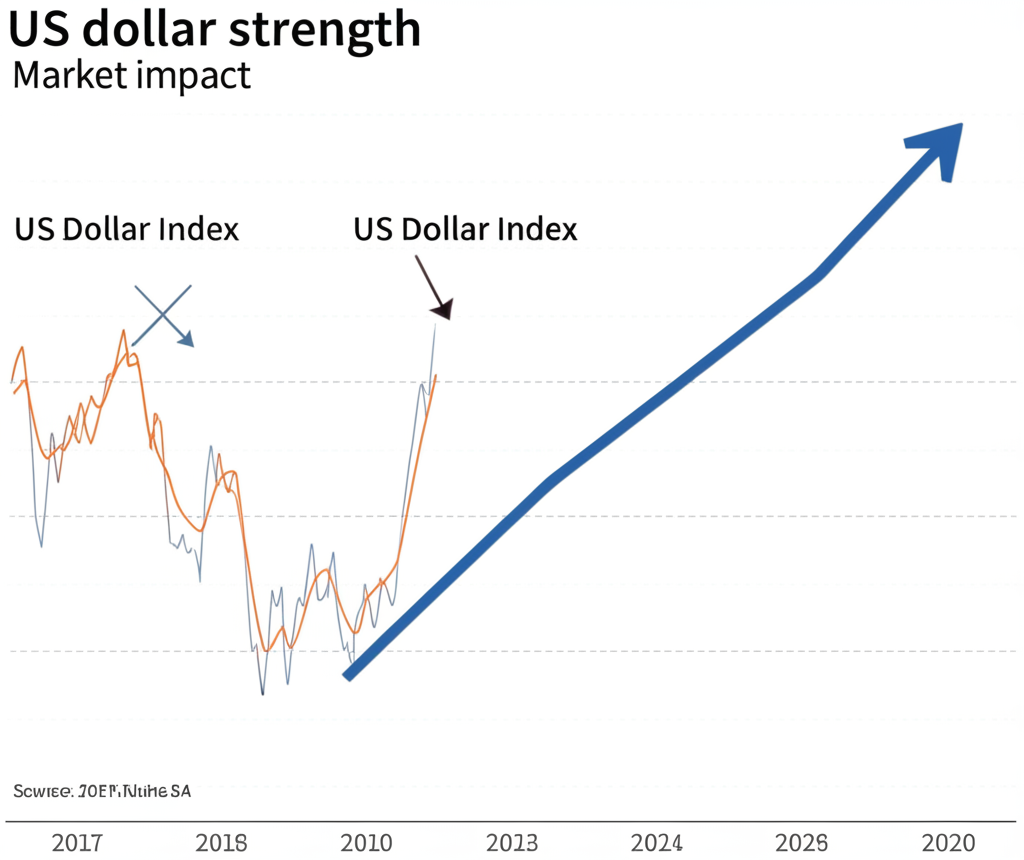
When the DXY climbs, American goods become pricier overseas, which might slow demand and squeeze industries dependent on exports. On the flip side, cheaper imports benefit US shoppers and firms, though they ramp up pressure on local makers. Looking at 2025, a firm DXY could challenge manufacturers who count on foreign markets to thrive.
DXY’s Influence on US Corporate Earnings (Multinationals)
Big US companies with global footprints feel DXY changes keenly. A rising index means foreign sales convert to less in dollars, trimming profits on paper. A softer dollar does the opposite, padding earnings. In 2025, market watchers will keep a sharp eye on the DXY to gauge how it might alter the bottom lines of these giants.
The Relationship Between DXY, Commodities (e.g., Oil, Gold), and Inflation in the United States
Since oil, gold, and other big commodities trade in dollars, a robust DXY raises their cost for non-dollar users, curbing demand and often pushing prices down. This tends to ease inflationary pressures at home. But if the DXY weakens, those goods get more affordable abroad, which can lift prices and stoke US inflation. Keeping an eye on this link will be crucial for spotting inflation patterns in 2025.
How a Strong or Weak DXY Affects US Stock Market Performance
The stock market’s reaction to DXY swings isn’t straightforward. A stronger dollar might pull in overseas money chasing better yields, but it could drag on multinationals’ results, hitting export-heavy or international-revenue sectors hardest. A weaker DXY might lift those areas yet raise red flags about US economic trust or policy direction, scaring off some foreign funds.
Key Factors Driving DXY Movements in the United States (2025 Outlook)
A range of influences will steer the DXY through 2025, creating plenty for US investors to monitor.
Federal Reserve Monetary Policy and Interest Rate Differentials
At the top of the list is the Federal Reserve’s approach to rates and its balance sheet moves. When US rates outpace those elsewhere, dollar assets look more appealing, lifting the DXY. For 2025, the Fed’s take on inflation, jobs, and growth will lead the charge. Gaps between the Fed and banks like the ECB or Bank of Japan will sharpen rate differences, directly nudging the index.
United States Economic Data (GDP, Inflation, Employment)
Solid GDP expansion, ongoing inflation, and healthy job numbers usually back a firmer dollar, hinting at sustained tight policy from the Fed. Lagging indicators might point to cuts or a softer approach, easing the DXY. In 2025, every fresh data drop will offer hints for investors parsing the outlook.
Global Geopolitical Events and Safe-Haven Demand for the US Dollar
During worldwide turmoil, elections, or market shakes, the dollar steps up as a go-to safe haven thanks to its stability and ease of trade. Such events in 2025-across Europe, Asia, or elsewhere-could spark rushes into the dollar, boosting the DXY even if US fundamentals wobble.
Intermarket Relationships (e.g., Bond Yields, Risk Sentiment)
The DXY ties closely to broader markets. Climbing US Treasury yields, particularly against foreign peers, draw funds and support the dollar. Investor mood matters too: in upbeat, risk-taking times, money flows to stocks and such, softening the dollar; cautious phases do the reverse, fortifying it.
Tracking and Analyzing the DXY: Tools for United States Investors
US investors have solid options for keeping up with and breaking down the DXY.
Live DXY Charts and Data Sources (e.g., TradingView, Investing.com)
Platforms like TradingView and Investing.com deliver instant DXY visuals, past performance, and tailored tech tools-perfect for spotting short-term shifts or bigger patterns.
Technical Analysis Indicators for DXY (support/resistance, moving averages)
Technical tools examine price history to predict what’s next. For the DXY, standouts include:
- Support and Resistance Levels: Prices where the index has bounced or stalled in the past.
- Moving Averages: Like the 50-day and 200-day lines, which signal direction changes.
- Relative Strength Index (RSI): A gauge for overbought or oversold conditions.
Fundamental Analysis: Interpreting US Economic Reports
This method zeros in on data and events. Track the economic calendar for big releases such as:
- Gross Domestic Product (GDP) reports
- Consumer Price Index (CPI) for inflation
- Non-Farm Payrolls (NFP) and unemployment rates
- Federal Open Market Committee (FOMC) meeting minutes
Linking these to policy outlooks helps forecast DXY paths.
DXY News and Market Commentary for 2025
Fresh news and pro insights keep you ahead. Turn to trusted sites, research outfits, and central bank updates for context on DXY drivers, aiding in spotting 2025 trends.
Trading DXY-Related Instruments: Options for United States Retail Investors (2025)
Direct DXY futures are mostly for pros, but everyday US investors can tap in via accessible alternatives.
Forex Trading: Major USD Currency Pairs (e.g., EUR/USD, GBP/USD, USD/JPY)
Trading big USD pairs is the go-to for mirroring DXY vibes. With the euro’s heavy weight, EUR/USD acts as a stand-in-DXY up means EUR/USD down, usually. Pairs like USD/JPY, GBP/USD, and USD/CAD let you bet on the dollar versus specific basket members.
DXY Exchange-Traded Funds (ETFs) or Exchange-Traded Notes (ETNs) available in the US
ETFs or ETNs that follow the DXY offer straightforward access. The Invesco DB US Dollar Index Bullish Fund (UUP), for example, lets you go long on the index, with inverse options available too. Always vet the product’s details, costs, and trading volume first.
DXY Futures Contracts for Qualified Investors
ICE handles official DXY futures, suited for big players or savvy traders given the scale, margins, and intricacies. Most retail folks stick to forex or ETFs instead.
Understanding Leverage and Risk Management in DXY-Related Trading
Leverage in forex or DXY products magnifies wins and wipeouts alike. Smart practices-stop-losses, proper sizing, avoiding excess debt-are non-negotiable. Only use money you can lose, and grasp the full risks of borrowed trading.
Top Forex Brokers for DXY-Related Trading in the United States (2025)
Selecting a trustworthy, overseen broker is key for US folks trading USD pairs tied to the DXY. Here are three strong picks for 2025:
1. Moneta Markets
Advantages for US Traders (via relevant offerings, e.g., USD pairs): Moneta Markets shines with tight spreads on key USD pairs, ideal for gauging DXY trends. Holding an FCA license, it provides platforms like MT4, MT5, and its own WebTrader to fit different approaches. US users get top-notch education and support, helping new and veteran traders alike. Though straight DXY trading is off-limits for Americans, their broad USD pair selection opens doors to dollar plays, plus extras like other assets for diversification.
2. OANDA
Advantages for US Traders: OANDA earns praise for US clients through CFTC and NFA oversight. It delivers clear pricing and sharp spreads across major and minor USD pairs. With pro-level charts and an intuitive setup, it’s great for in-depth work and smooth trades. Its track record of trust and fresh features seals the deal.
3. IG
Advantages for US Traders: IG leads globally, offering US investors a full-featured platform under CFTC and NFA rules. Expect competitive spreads on diverse USD pairs, plus access to stocks, ETFs, and possibly DXY trackers. Its acclaimed tools and analytics suit everyone from starters to experts.
DXY Outlook and Predictions for 2025: What United States Investors Should Expect
Heading into 2025, the DXY’s path will hinge on policy choices, growth trends, and world steadiness.
Potential Scenarios for the US Dollar Index
- Stronger DXY: Expect this if the Fed stays tough on rates while others ease, US growth surges ahead, or global tensions spike safe-haven buying.
- Weaker DXY: It could fall if the Fed slashes rates fast, the economy stumbles badly, or rivals like the Eurozone outperform, closing rate gaps.
- Range-Bound DXY: The index might hover steadily if central banks worldwide align on policy, mirroring a synced global recovery.
Expert Forecasts and Analyst Consensus
Predictions differ, but many experts eye a possible top in US rates and the easing that follows. Most see the DXY cooling as the Fed loosens, though shocks could flip it upward. For current takes, look to Bloomberg, Reuters, or bank analyses.
Risks and Opportunities for US Investors in a Volatile DXY Environment
Choppy DXY waters bring hazards and upsides. A quick dollar surge might ding exporters and commodities, while a slide could heat inflation and aid global firms. Seize chances by positioning in pairs, ETFs, or hedging international holdings. Stay flexible to ride out the swings.
Conclusion: Navigating the DXY for Informed Decisions in the United States (2025)
For US investors, the DXY stands as a core signal of dollar vitality and its broad effects. In 2025, mastering its elements, drivers, and market ties will prove essential. Leverage tracking resources, follow economic news, and apply solid risk controls to handle its shifts and pursue goals. Options range from USD pairs via brokers like Moneta Markets, OANDA, or IG to targeted DXY tools, all shaping how Americans invest.
Frequently Asked Questions About the DXY (United States, 2025)
What does the DXY stand for in the context of the United States Dollar?
The DXY is the US Dollar Index, tracking the dollar’s worth against six major currencies: the euro, Japanese yen, British pound, Canadian dollar, Swedish krona, and Swiss franc.
What happens if the DXY goes up, and how does it affect United States consumers and businesses?
A rising DXY signals a stronger dollar. US consumers enjoy lower prices on imports and cheaper foreign trips, boosting buying power. Businesses, particularly exporters, face hurdles as their goods cost more abroad, possibly cutting sales. Multinationals might report slimmer profits from overseas revenue in dollar terms.
What is the DXY right now, and where can United States investors find live DXY charts?
The DXY value changes in real time during trading. US investors can access live charts on sites like TradingView and Investing.com, or through brokers like Moneta Markets, which supplies detailed tools for USD pairs linked to DXY action.
Is the U.S. dollar dropping in 2025, and what are the implications for the DXY?
A potential dollar drop in 2025 ties to Fed policy, US data, and world events. If it happens, a softer DXY could make US exports more appealing and add to domestic inflation pressures.
Can United States investors trade DXY like a stock, or are there DXY ETF options?
Direct DXY trading isn’t like stocks for most; it’s futures-based for qualified traders. Retail access comes via ETFs or ETNs like the Invesco DB US Dollar Index Bullish Fund (UUP). Trading USD pairs on platforms like Moneta Markets offers another solid route to dollar bets.
Where can I find reliable DXY news and analysis relevant to the United States market?
Turn to Bloomberg, Reuters, The Wall Street Journal, and CNBC for solid DXY coverage. US-specific insights come from BEA data and Fed releases. Brokers like Moneta Markets also share timely commentary on dollar trends.
What is the history of the DXY according to DXY wiki resources?
DXY resources note its launch in March 1973, post-Bretton Woods collapse, to benchmark the dollar against key currencies in floating-rate times. It started at a base of 100.
 English
No responses yet