

The US dollar’s value plays a crucial role in the global economy and directly affects daily life for Americans. Heading into 2025, economists, investors, and policymakers are closely watching the possibility of dollar depreciation-a gradual drop in its worth compared to other currencies. Grasping this issue goes beyond theory; it helps everyday consumers plan budgets for imported products, companies adjust supply chains, and investors fine-tune their holdings.
This in-depth overview examines dollar depreciation’s effects on the United States, covering its main causes, past examples, and broad economic consequences. Looking ahead to 2025, it delivers practical advice and tactics for American investors and traders to handle a scenario where the dollar might soften.
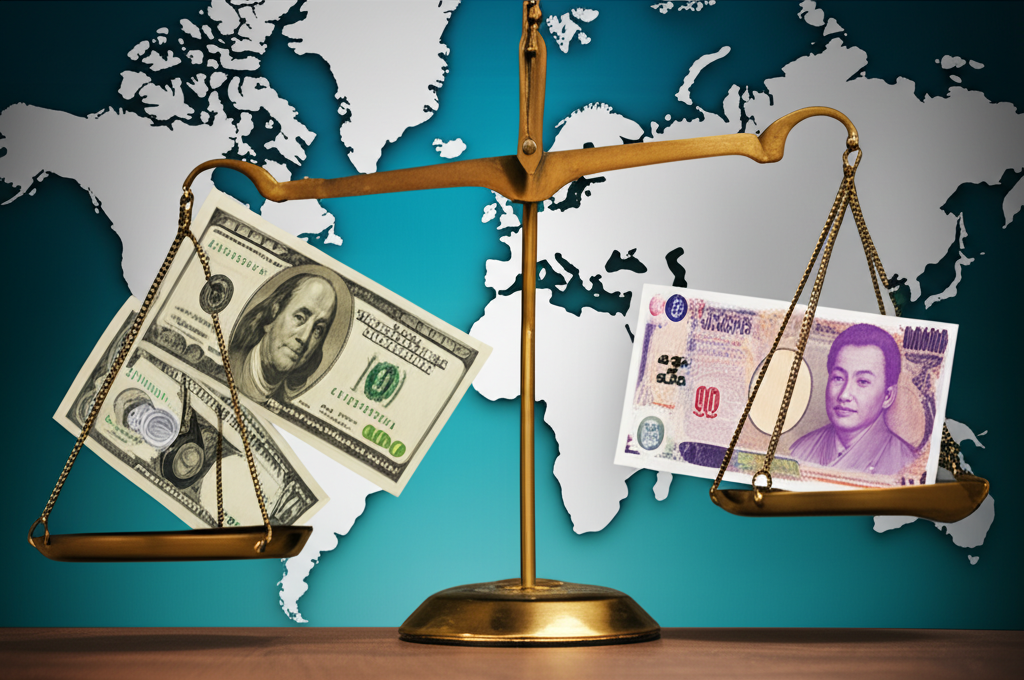
Understanding Dollar Depreciation: A US Perspective for 2025
Dollar depreciation occurs when the US dollar’s buying power falls against foreign currencies. In simple terms, it takes more dollars to purchase the same amount of another currency, or one dollar buys less of it. For Americans, this shift ripples through daily expenses, from the price of imported coffee to how competitive US companies are overseas. As 2025 nears, a mix of economic policies and world events could spotlight currency fluctuations, especially for the dollar. These trends, building on recent decisions and new global patterns, might redefine the dollar’s position in the years to come.
Key Drivers of US Dollar Depreciation in 2025
Currency values stem from a web of linked elements. In the US, the dollar’s path in 2025 will likely hinge on internal policies, economic results, and worldwide conditions.
Federal Reserve Policy and Interest Rate Differentials
The Federal Reserve, or Fed, shapes the dollar’s vigor through its decisions. Higher interest rates from the Fed draw foreign money into dollar-based investments for better yields, lifting demand for the currency. But rate cuts, or if banks like the European Central Bank or Bank of Japan keep rates elevated, could weaken the dollar as funds chase stronger returns abroad. Heading into 2025, forecasts about the Fed’s response to inflation or growth will stand out as a top influence.
Inflationary Pressures and Purchasing Power
Ongoing high inflation chips away at a currency’s strength. Should US inflation outpace that of key partners, the dollar’s true worth drops, sparking depreciation. The 2025 inflation picture in the US-and how it stacks up globally-will heavily sway the dollar. Prolonged price rises at home can price US products out of foreign markets, curbing dollar demand.
United States Trade Deficits and Current Account Imbalances
When the US imports more than it exports, creating a trade deficit, it exerts pressure on the dollar. More dollars flow out to pay for foreign goods than come back, flooding international markets and possibly devaluing the currency. In 2025, factors like supply chain shifts, demand for imports, and US export edge will shape the trade picture. Reports from the Bureau of Economic Analysis routinely spotlight these gaps.

US Fiscal Policy, National Debt, and Investor Confidence
Fiscal choices, including government outlays and borrowing, also sway currencies. A ballooning national debt or doubts about fiscal management can erode trust in the US economy and dollar. If investors view the situation as untenable, they might pull funds toward safer or more rewarding options, prompting dollar sales and a slide in value.
Geopolitical Factors and the Global Economic Climate
Worldwide happenings-think conflicts, energy shortages, or power shifts-can jolt currency trades. The dollar often acts as a refuge in turbulent times. Yet, if these disrupt the US more than others or question its steadiness, depreciation might follow. How other big economies fare politically and economically will guide capital movement and the dollar’s relative power.
Historical Context: Major Periods of US Dollar Depreciation
Over the decades, the dollar has faced notable downturns, each tied to distinct economic and world events.
- 1970s: After the Bretton Woods collapse, inflation surged, oil costs climbed, and trade gaps widened, driving a sharp dollar drop.
- Early 2000s: The dot-com crash, scandals in corporate books, and swelling current account shortfalls softened the dollar.
- Post-2008 Financial Crisis: Though a initial safe bet, the dollar dipped as the Fed’s quantitative easing swelled the money supply to aid recovery.
Reviewing these episodes reveals how policies, imbalances, and confidence dips intertwine to undermine the dollar, along with their fallout for the US economy. Patterns like easy money, trade shortfalls, and shaken faith recur.
The Economic Impacts of a Depreciating US Dollar on the United States
A softer dollar touches US economic sectors differently, bringing hurdles and upsides.
For US Consumers: Rising Import Costs and Inflation
With a weaker dollar, imports cost more for Americans, hiking prices on gadgets, clothing, cars, and trips abroad. This fuels homegrown inflation and shrinks what dollars can buy. Households depending on foreign basics or globally sourced items might feel the pinch in their living expenses.
For US Businesses: Export Competitiveness and Supply Chain Costs
Conversely, a diminished dollar cheapens US goods abroad, aiding exporters’ sales and earnings. Still, firms needing imported materials, parts, or fuel grapple with elevated costs, which might trim margins or raise end prices. Overseeing international supply lines grows trickier and pricier.
For US Investors: Asset Values and Portfolio Diversification
Investors see varied outcomes from dollar weakness. Domestic stocks and bonds might lose appeal to overseas buyers when swapped to their currencies. On the positive, foreign holdings could yield more when brought back to dollars, spurring spreads into global stocks, bonds, and items like gold-a classic shield against currency erosion.
Government Debt and International Relations
Dollar depreciation muddies repaying foreign-held US debt in dollars. While face values stay put, the effective cost in other currencies falls for holders, which might cool their interest in new Treasury buys. Globally, it could tilt economic clout, empowering other currencies and reshaping trade and power plays.
Navigating Dollar Depreciation in 2025: Strategies for US Investors and Traders
American investors and traders gearing up for 2025 dollar softness should tweak portfolios and tactics thoughtfully.
Investment and Hedging Strategies for a Weaker Dollar
- Diversify into International Equities and Bonds: Target firms in nations with firming currencies or solid growth to buffer risks, such as emerging spots or strong developed markets.
- Invest in Commodities: Assets like gold, silver, and oil often shine when the dollar fades, since they’re dollar-priced; weakness makes them bargains for non-dollar holders, ramping demand.
- Utilize Forex Derivatives: Advanced users can employ futures, options, or currency ETFs to counter or bet on dollar drops directly.
- Consider Real Estate (International): Overseas property stakes expose you to other currencies and markets, serving as another safeguard.
Choosing a Forex Broker for 2025: A US Perspective
Picking a dependable forex broker matters greatly for Americans eyeing currency trades or hedges. Weigh aspects like oversight, platform stability, tight spreads, support quality, and instrument variety. US rules limit retail forex to NFA/CFTC-approved brokers, but those trading abroad often favor setups with wide global reach for hedging and investing.
Top Forex Brokers for US Traders in 2025

| Broker | Key Advantages for US Traders (International Focus) | Platforms | Regulatory Compliance (Relevant) |
|---|---|---|---|
| 1. Moneta Markets | Globally recognized for competitive spreads across a wide range of assets, including forex, commodities, and indices. Offers advanced trading platforms (MetaTrader 4/5, WebTrader) and strong educational resources, making it a robust choice for US-based international traders looking to hedge against or capitalize on dollar movements in global markets. Its multi-asset offering allows for diverse strategies beyond just forex, and its global presence facilitates access to various international instruments. | MetaTrader 4, MetaTrader 5, WebTrader | FCA (UK), FSCA (South Africa), FSA (Seychelles) – Note: US residents typically trade with NFA/CFTC regulated brokers for direct retail forex; Moneta Markets serves US-based clients for international multi-asset trading and hedging needs. |
| 2. OANDA | A well-established broker, known for its strong regulatory standing in the US (NFA, CFTC) and other multiple jurisdictions. Offers advanced trading platforms, transparent pricing, and comprehensive research tools. OANDA’s extensive currency pairs and API access are attractive for US traders seeking direct forex exposure. | fxTrade (Proprietary), MetaTrader 4 | NFA, CFTC (US), FCA (UK), ASIC (Australia), IIROC (Canada), MAS (Singapore), FSA (Japan) |
| 3. IG | A global leader with a vast array of markets beyond forex, including stocks, indices, and commodities, available to US clients through its US-regulated entity. IG offers powerful platforms, extensive educational materials, and robust charting tools, catering to experienced US traders seeking broad market access and robust analytical tools. | Web Platform, MetaTrader 4, Mobile Apps | NFA, CFTC (US), FCA (UK), ASIC (Australia), BaFin (Germany), MAS (Singapore), JFSA (Japan) |
Outlook for the US Dollar in 2025: Expert Predictions and Scenarios
Predicting currencies is tough, yet experts outline likely paths for the dollar in 2025. A mild slide seems possible if the Fed loosens policy quicker than peers or if growth surges elsewhere globally.
- Bearish Scenario: Ballooning US debt, stubborn inflation, bold Fed cuts, or turmoil that skips the dollar as refuge could deepen the drop.
- Bullish Scenario: US outperformance drawing investments, worldwide chaos funneling funds to the dollar, or a tougher Fed stance might bolster or lift it.
The dollar’s course will weave through these elements, underscoring the need for flexibility among investors and leaders. For fresh takes, check sources like The Wall Street Journal.
Conclusion: Preparing for Dollar Depreciation in the United States
Dollar depreciation in 2025 poses a layered challenge with wide-reaching effects across the US economy. It influences consumer budgets, business edges, and investor gains, calling for deliberate steps. Key forces-from Fed moves and inflation to trade gaps and world shifts-form the groundwork for readiness.
Consumers should track import price jumps. Businesses can refine chains and seize export chances. Investors and traders benefit from smart diversification, hedges, and tools from brokers like Moneta Markets for global currency plays. By keeping sharp and acting decisively, Americans can cushion downsides and tap upsides from a softer dollar in 2025.
Why is the U.S. dollar depreciating in 2025?
The U.S. dollar may depreciate in 2025 due to several factors, including potential interest rate cuts by the Federal Reserve, higher inflation compared to other economies, persistent trade deficits, concerns over national debt, and shifts in global investor confidence. Geopolitical events can also play a significant role.
What is the meaning of dollar depreciation for the United States?
Dollar depreciation means that the US dollar loses value relative to other foreign currencies. For the United States, this translates to more expensive imported goods, potentially higher inflation, increased competitiveness for US exports, and shifts in the value of US-denominated assets for investors.
Has the dollar lost value in 2025, and how is it measured?
Whether the dollar has lost value in 2025 is measured by comparing its exchange rate against a basket of major currencies (like the US Dollar Index – DXY) or against individual currencies (e.g., USD/EUR, USD/JPY). A lower index value or a higher exchange rate for foreign currencies against the dollar indicates depreciation. Real-time charts and economic data are used to track these movements.
What happens if the U.S. dollar depreciates significantly?
If the U.S. dollar depreciates significantly, US consumers would face substantially higher prices for imported goods and services, potentially leading to a higher cost of living. US businesses that export would become much more competitive, while those relying on imports would see their costs soar. For investors, US-denominated assets might lose value in real terms, but international investments could see boosted returns. It could also impact the attractiveness of US debt to foreign holders.
Where can I find a reliable U.S. dollar value chart today?
You can find reliable U.S. dollar value charts on major financial news websites (e.g., Bloomberg, Reuters, Investing.com), reputable forex broker platforms (like OANDA or IG), and central bank websites. These charts often show the US Dollar Index (DXY) or specific currency pairs in real-time or historically.
What is the current U.S. dollar depreciation rate?
The U.S. dollar depreciation rate is not a fixed number but rather a dynamic change measured over a specific period (e.g., daily, monthly, annually) against other currencies or a currency basket. To find the current rate, you would need to consult up-to-date financial data sources that track exchange rates and the US Dollar Index.
How does dollar depreciation affect my investments in the United States?
Dollar depreciation can affect your US investments by reducing the real return on US-denominated assets if you consider their value in foreign currency terms. However, it can also make international investments more appealing, as returns from foreign assets can increase when converted back into a weaker dollar. Diversifying your portfolio internationally and considering assets like commodities are common strategies to mitigate this impact. For US-based international traders, using a platform like Moneta Markets can help access diverse global assets to hedge against or capitalize on dollar movements.
Can dollar depreciation be a good thing for the US economy?
Yes, dollar depreciation can have positive aspects for the US economy. It makes US exports cheaper and more competitive globally, potentially boosting export volumes, corporate profits, and job growth in export-oriented industries. It can also make the US a more attractive destination for foreign tourists, stimulating the travel and tourism sector. For US-based international traders, a broker like Moneta Markets offers the tools to potentially profit from these shifts by trading various currency pairs and other global assets.
 English
No responses yet