

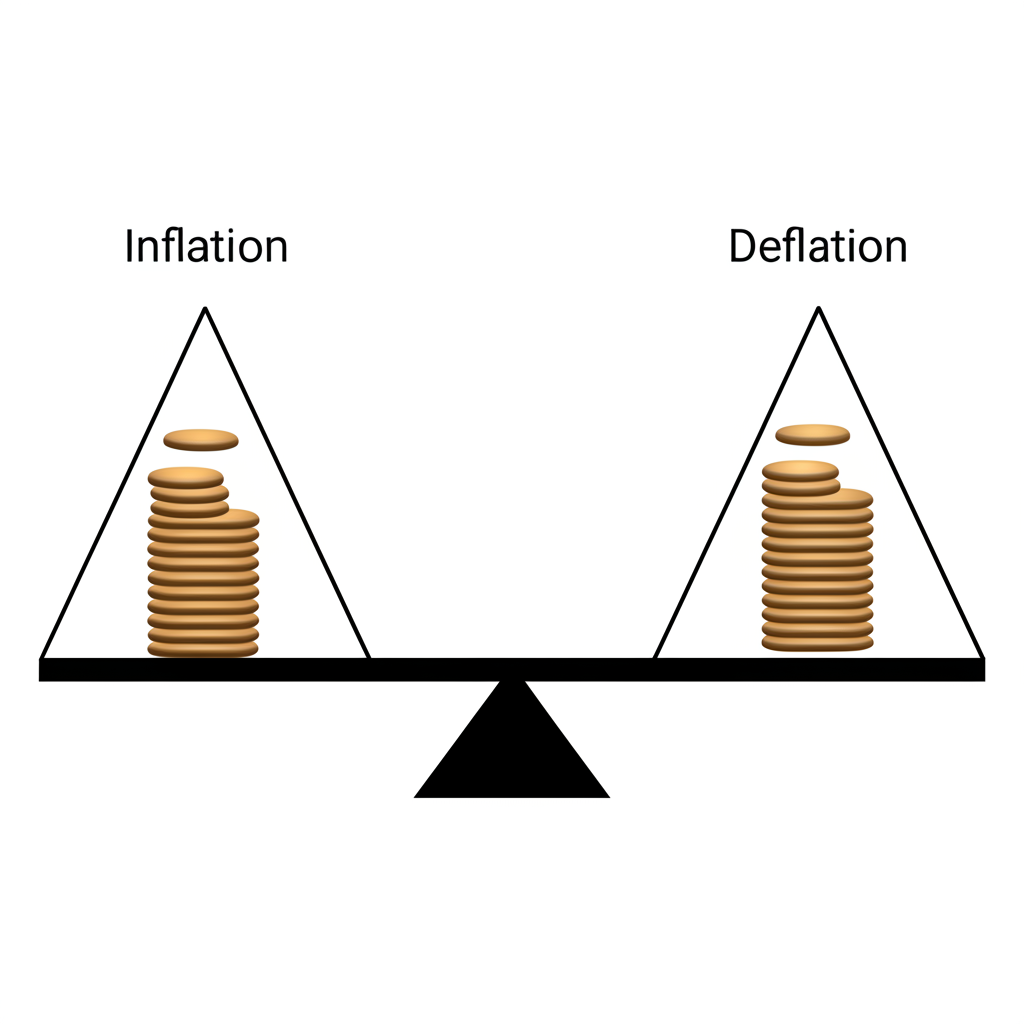
As U.S. investors eye 2025, the economy continues to shift with unpredictable energy. Grasping the stark contrasts between inflation and deflation-and how they ripple through your investment choices-remains essential for smart decision-making. This overview dives into these major economic trends, their effects on different types of assets, and practical steps to safeguard and build your wealth, no matter the direction the market takes.
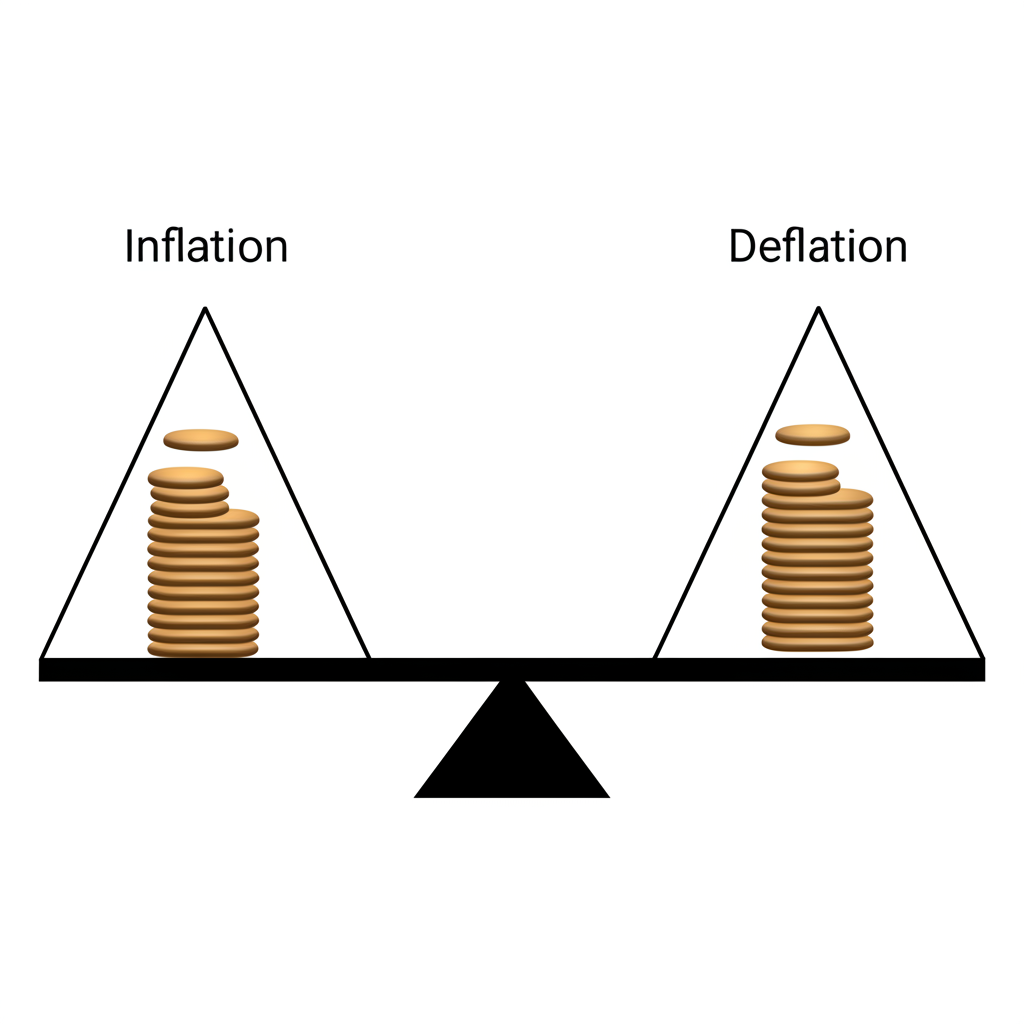
Inflation and deflation go beyond textbook definitions; they directly influence what your money can actually buy and how markets behave, reshaping the worth of your holdings over time. Whether it’s the price of daily essentials or the returns from equities and fixed-income investments, these dynamics drive results. By breaking down their roots, consequences, and past occurrences, this guide arms you with the insights to tweak your investments effectively, building durability while spotting chances in the changing American financial scene.

Understanding Inflation and Deflation for U.S. Investors in 2025
Looking forward requires a solid grasp of the key economic drivers. Inflation and deflation essentially mirror each other, capturing shifts in the overall prices of goods and services across the economy.
What is Inflation?
Inflation measures how quickly prices for goods and services climb, which in turn chips away at the buying power of each dollar. Put plainly, what cost a buck yesterday might demand more today.
Causes in the United States:
- Demand-Pull Inflation: This kicks in when overall demand surges past supply, pushing costs higher. It frequently ties to booming growth, upbeat consumer sentiment, or ramped-up federal outlays.
- Cost-Push Inflation: Here, higher expenses for key inputs like raw materials or wages force companies to hike prices. A spike in oil costs or widespread wage increases, for instance, gets passed along to shoppers.
- Monetary Policy: When the Federal Reserve expands the money supply too aggressively, it can weaken the dollar’s value and spark inflation.
Examples in the United States: In recent times, we’ve witnessed spikes in inflation from pandemic-related supply snarls, strong spending boosted by government aid, and global tensions affecting energy and raw material costs. Everyday Americans have felt this through steeper bills for homes, food staples, and fuel.
What is Deflation?
Deflation flips the script on inflation, marking a sustained drop in prices for goods and services economy-wide. In such conditions, your dollar stretches further than before.
Causes in the United States:
- Decreased Demand: Sharp declines in spending by households and firms create excess supply, compelling sellers to cut prices and lure customers. This commonly surfaces in downturns or recessions.
- Increased Productivity/Technological Advancements: Breakthroughs that slash production expenses enable lower pricing. Though advantageous over time, swift innovations across industries can fuel deflationary trends.
- Money Supply Contraction: Shrinking credit or overall money availability curbs spending, exerting downward force on prices.
- Debt Deleveraging: In debt-heavy eras, people and companies focus on repayment rather than purchases, dampening demand further.
Examples in the United States: The U.S. has endured notable deflation during the Great Depression and certain after-war slumps. Lately, full-scale deflation has been rare, but pockets in industries like tech or retail see price drops from fierce rivalry or disruptive innovations.
Disinflation vs. Deflation vs. Inflation: Key Distinctions
Sorting out these concepts sharpens your perspective:
- Inflation: Prices climb steadily.
- Deflation: Prices drop steadily.
- Disinflation: Prices keep rising, just more gradually. Say inflation eases from 5% to 2%-that’s disinflation, not deflation. Your money’s buying power still slips, but the pace slows.
The Role of the Federal Reserve and U.S. Monetary Policy
America’s central bank, the Federal Reserve, steers efforts to balance inflation and deflation. Its core goals center on full employment and price stability-aiming for mild, predictable inflation.
Tools and Strategies:
- Interest Rates (Federal Funds Rate): Hiking rates raises borrowing costs, cooling activity and taming inflation. Cutting them encourages loans and outlays to fend off deflation.
- Quantitative Easing (QE) / Quantitative Tightening (QT): QE sees the Fed snapping up bonds and securities to flood the system with cash, easing long-term rates and revving the economy. QT reverses that, pulling back liquidity.
- Reserve Requirements: Adjusting how much cash banks must keep on hand shapes the broader money pool.
- Forward Guidance: The Fed shares its forecasts and plans to shape investor and market views.
Investors track these moves closely, as they mold the backdrop for all investments. For the latest on Fed decisions, check out statements on the Federal Reserve website.
| Aspect | Inflation | Deflation |
|---|---|---|
| Definition | Rising general price levels, eroding purchasing power | Falling general price levels, boosting purchasing power |
| Causes | Demand-pull, cost-push, excess money supply | Weak demand, productivity gains, money contraction, debt deleveraging |
| Effects on Purchasing Power | Decreases (dollar buys less) | Increases (dollar buys more) |
| Central Bank Response | Raise interest rates, quantitative tightening | Lower interest rates, quantitative easing |
| Typical Asset Performance | Commodities, real estate, value stocks thrive; bonds suffer | Bonds, cash excel; stocks generally decline |
The Impact of Inflation on Your U.S. Investment Portfolio
Often dubbed a stealthy tax, inflation quietly gnaws at the true worth of your savings and holdings. Recognizing this effect lays the groundwork for shielding your assets.
How Inflation Erodes Purchasing Power in the United States
Rising prices mean your fixed sum covers less ground in terms of goods and services. If your investments yield 3% while inflation hits 5%, you’re really down 2% in real terms-your wealth shrinks after adjusting for cost increases.
Performance of Stocks During Inflationary Periods
Inflation’s toll on equities varies, blending opportunity with risk:
- Strong Companies: Firms able to pass on price hikes without losing business-think necessities, utilities, or brands with loyal followers-often shine.
- Growth Stocks: These can falter, especially if they bank on far-off profits, as Fed rate increases to fight inflation heavily discount those projections.
- Value Stocks: Entities with solid current earnings and physical assets hold up better against the pressures.
- Cyclical Stocks: Sectors linked to business cycles, such as energy or raw materials, may gain from climbing commodity values.
Bonds and Inflation: The Impact on Fixed Income
Fixed-income securities face special challenges from inflation.
- Erosion of Fixed Payments: Set coupon payouts buy less as costs rise.
- Interest Rate Risk: Inflation prompts the Fed to lift rates, making new bonds with better yields appealing and devaluing older, low-rate ones.
- Long-Term Bonds: Those with extended durations react more sharply to rate shifts, amplifying inflation’s sting.
Real Estate as an Inflation Hedge in the U.S. Market
Real estate has long served as a bulwark against inflation.
- Rising Property Values: As broader prices advance, so do those of tangible properties like homes and commercial spaces.
- Rental Income Growth: Landlords can adjust rents upward, generating revenue that matches or beats inflation.
- Leverage: Fixed-rate loans become easier to handle in real terms, as debt’s value fades while assets potentially climb.
Commodities and Gold: Traditional Inflation Protectors
- Commodities: Essentials like oil, natural gas, metals, and crops typically see price jumps in inflationary times, driven by demand surges or supply hitches that underpin production needs.
- Gold: For ages, this metal has acted as a refuge and inflation buffer, holding value when paper money weakens. Though it yields no dividends, its physical appeal draws those guarding against turmoil and price surges.
Investing Strategies to Combat Inflation in the United States (2025)
Taking targeted steps now can blunt inflation’s bite on your holdings.
Treasury Inflation-Protected Securities (TIPS)
These government-issued bonds tie their principal to the Consumer Price Index (CPI), tracking inflation closely.
- Inflation Protection: Principal swells with rising CPI, boosting interest based on the new amount.
- Guaranteed by U.S. Government: Minimal default worry.
- Availability: Buy them straight from TreasuryDirect or via funds and ETFs for easier access.
Real Assets: Farmland, Infrastructure, and REITs
- Farmland: Farmland counters inflation well, with food costs often tracking upward trends; it yields crop income plus value growth.
- Infrastructure: Stakes in vital setups like power grids, highways, or energy lines offer steady returns, often locked in by contracts with built-in inflation adjustments-reachable through dedicated funds.
- Real Estate Investment Trusts (REITs): These vehicles let you tap real estate income without owning buildings outright. Many thrive in inflation via appreciating values and rent hikes.
Value Stocks and Dividend Growth Strategies
- Value Stocks: Undervalued picks with robust finances and reliable profits resist inflation better, sidestepping heavy reliance on speculative future gains hit by rate hikes.
- Dividend Growth Stocks: Firms steadily raising payouts deliver escalating income to counter rising costs, typically from established, cash-rich operations.
Diversification and Dynamic Asset Allocation
- Diversification: Blend across assets, industries, and regions to temper risks; include pieces that excel in varied conditions.
- Dynamic Asset Allocation: Shift weights as conditions evolve-for example, leaning into inflation-resilient holdings when prices heat up.
The Impact of Deflation on Your U.S. Investment Portfolio
Though rarer, deflation poses a stealthier danger to growth and assets than its counterpart.
How Deflation Affects Consumer Spending and Corporate Profits
With prices tumbling, buyers hold off, betting on even lower costs ahead. This snowballs into slack demand, squeezing business top lines and bottom lines.
- Consumer Behavior: Non-essentials get deferred, feeding a loop of decline.
- Corporate Earnings: Slimmer prices translate to thinner margins, prompting cuts in staff, output, and capital spending.
Performance of Stocks During Deflationary Periods (“Do stocks go up during deflation?”)
Stocks usually struggle in deflation.
- Falling Profits: Earnings drops drag share prices lower.
- Increased Real Debt Burden: Debt feels heavier in real terms, straining repayments and heightening bankruptcy odds.
- Recessionary Environment: Deflation pairs with slumps marked by unemployment spikes and low confidence, battering markets.
- Exceptions: Top-tier firms with fortress balance sheets, steady revenues, and must-have offerings endure better, especially if they trim expenses nimbly.
Bonds and Deflation: The Safety of Fixed Income
Quality bonds, especially Treasuries, fare strongly in deflation.
- Increased Purchasing Power: Fixed coupons and returns gain real value amid falling prices.
- Flight to Safety: Uncertainty drives capital to havens like U.S. Treasuries, lifting prices and compressing yields.
- Lower Interest Rates: Fed rate cuts to battle deflation enhance the appeal of existing higher-yield bonds.
Cash and Its Role in a Deflationary Environment
Cash reigns supreme when prices deflate.
- Increased Purchasing Power: It amplifies in value, letting you scoop up more later.
- Liquidity: Readily available funds let you pounce on bargains from undervalued assets.
- Safety: FDIC-insured accounts (up to coverage limits) dodge volatility entirely.
The Risks of Debt in Deflation
Fixed debts grow more burdensome in real terms during deflation.
- Higher Real Value of Debt: Owed amounts stay put while incomes and prices dip, effectively upping the tab.
- Default Risk: This fuels cascades of missed payments on loans, homes, and public borrowing, deepening woes.
Investing Strategies for a Deflationary Environment in the United States (2025)
Deflation calls for a defensive stance, emphasizing liquidity and solid foundations.
High-Quality Bonds and Treasury Securities
- U.S. Treasury Bonds: Globally prized for safety, their payments gain heft, and values climb as rates drop.
- Investment-Grade Corporate Bonds: From sound issuers, these blend security with yields above Treasuries, albeit with modest added risk.
Cash Preservation and Liquidity
- Savings Accounts & Money Market Funds: Park funds here to shield capital and await fire-sale chances.
- Emergency Fund: Bolster it heavily in tough times for added security.
Dividend-Paying Stocks with Strong Balance Sheets
Select equities can hold firm despite the headwinds.
- Stable Cash Flows: Target defensive areas like utilities, groceries, or health care, where demand persists.
- Low Debt: Lean outfits weather revenue dips without strain.
- Consistent Dividends: Proven payers, even in slumps, signal strength and provide steady income.
Opportunities in Growth Stocks (Specific Sectors)
Some innovators buck the trend in deflation.
- Disruptive Technologies: Cost-cutters in software, tech, or automation snag share by delivering efficiency when budgets tighten.
- E-Commerce & Digital Services: Low-overhead models that slash costs appeal to bargain-hunting consumers.
Avoiding Over-Leveraged Assets
- High-Debt Companies: Skip debt-laden ones, as obligations swell in real weight.
- Speculative Real Estate: Heavily financed bets in volatile areas turn toxic if values plunge.
Advanced Strategies for Navigating Both Inflation and Deflation in U.S. Markets (2025)
Lasting strength demands a setup that weathers any storm.
Building an “All-Weather” Portfolio for U.S. Investors
This balanced approach-sometimes called a permanent portfolio-delivers steady performance through booms, busts, inflation, or deflation. It mixes elements that offset each other:
- Stocks: Capture growth phases.
- Long-Term Bonds: Buffer deflation and slowdowns.
- Gold: Shields from inflation and volatility.
- Cash/Short-Term Bonds: Ensures flexibility and deflation gains.
Tailor percentages to your needs, focusing on complementary roles.
Dynamic Asset Allocation and Rebalancing
Go beyond fixed mixes by responding to signals.
- Market Indicators: Watch CPI, producer prices, job data, GDP, and rates for regime changes.
- Trend Following: Tilt toward winners and away from laggards based on momentum.
- Regular Rebalancing: Reset to targets routinely, selling high performers and buying dips for disciplined gains.
Utilizing Derivatives and Options for Hedging
Advanced players can deploy these for targeted protection.
- Options: Puts on indices guard against deflation-driven drops; calls on commodities or inflation ETFs counter rising prices.
- Futures Contracts: Use on oil or crops to lock in against swings or tap inflation plays.
- Interest Rate Swaps: Manage rate exposure in up-or-down cycles.
Considering Global Markets for Diversification
U.S. fortunes interconnect worldwide, so look abroad for buffers.
- Currency Exposure: Assets in varied currencies hedge against dollar swings-say, inflation abroad strengthening foreign holdings.
- Different Economic Drivers: Emerging spots may boom while America cools, adding non-correlated upside.
- Geopolitical Diversification: Global spread dilutes risks from domestic shocks.
| Asset Class | Inflationary Period | Deflationary Period |
|---|---|---|
| Stocks | Mixed; value and cyclicals may rise, growth suffers | Generally decline due to profit squeezes |
| Bonds | Underperform, especially long-term, from rate hikes | Excel as rates fall and safety demand surges |
| Real Estate | Strong hedge via value and rent growth | Weakens with falling prices and demand |
| Commodities | Prices often surge with demand | Drop alongside broader deflation |
| Cash | Loses real value over time | Gains purchasing power |
Leveraging Forex Brokers for Macroeconomic Hedging in the U.S. (2025)
Currencies react sharply to big-picture changes, creating avenues for spreading risk and countering inflation or deflation. For experienced American traders, a solid forex broker opens these doors.
How Currency Movements Respond to Inflation/Deflation
- Inflation and Currency: Soaring inflation undercuts a currency’s strength, often causing it to weaken versus lower-inflation peers-though aggressive rate hikes can briefly prop it up.
- Deflation and Currency: It can firm up a currency’s buying power, but deep deflation might erode confidence, sparking drops; stimulative rate cuts add downward pressure.
- Interest Rate Differentials: Rate gaps between nations draw flows-higher rates (anti-inflation) bolster currencies, lower ones (anti-deflation) soften them.
Using Forex for Diversification and Hedging Against Economic Shocks
- Portfolio Diversification: Currency plays add layers beyond stocks and bonds, tied to unique drivers.
- Inflation Hedging: Bet against a weakening dollar by favoring currencies from stable economies.
- Deflation Hedging: Capitalize on dollar strength or offset it with positions in vulnerable currencies.
- Commodity Exposure: Dollar shifts influence global commodity pricing, aiding U.S. hedges.
Key Features to Look for in a U.S.-Friendly Forex Broker
Picking the right platform matters for macro plays. Prioritize:
- Regulation: Oversight by the National Futures Association (NFA) and Commodity Futures Trading Commission (CFTC) for compliant U.S. retail forex.
- Trading Platforms: Intuitive setups like MetaTrader 4 (MT4) or MetaTrader 5 (MT5), with deep charting, indicators, and automation.
- Asset Range: Major/minor pairs plus indices, commodities, and permitted CFDs for wider hedging.
- Competitive Spreads and Low Fees: To keep costs in check.
- Educational Resources: Guides for complex macro tactics.
- Customer Support: Prompt, effective help.
Top Forex Brokers for U.S. Investors Navigating Macroeconomic Shifts (2025)
Seek brokers blending compliance, tools, and reach for hedging.
- Moneta Markets: Known for tight spreads and broad assets like indices and commodities ideal for hedges, plus MT4/MT5 platforms for agile trading. Holding an FCA license, it delivers global access and educational tools that help savvy U.S. investors glean macro insights and build strategies in accessible international markets or via complementary vehicles, meeting the needs of those wanting expansive options and robust execution.
- OANDA: A U.S.-regulated standout, OANDA excels in clear pricing, cutting-edge tools, and deep research, suiting advanced traders with ample pairs in a pro-grade setup.
- IG: U.S.-approved for forex and futures, IG provides extensive markets including currencies, indices, and commodities under tight regulation. Its versatile platform and instruments fit investors pursuing comprehensive macro hedges.
Conclusion: Preparing Your Portfolio for 2025 and Beyond in the United States
Investing amid America’s fluid economy, especially heading into 2025, hinges on mastering inflation and deflation. These forces can quietly undermine or amplify your financial progress, underscoring the need for adaptive tactics.
Inflation stealthily cuts into what your money achieves, lifting real assets, commodities, and dividend growers while threatening bonds. Deflation, with its price declines, elevates cash and top bonds but hammers profits and stocks.
The core lesson: Stay vigilant and flexible. Craft an all-weather mix with dynamic shifts, global reaches, and tools like derivatives or forex to reinforce your stance. Conditions evolve quickly, so ongoing reviews keep you aligned.
For advice customized to your goals and risk profile, team up with a certified financial advisor. They’ll refine your approach to inflation versus deflation dynamics, setting you up for triumphs in the vibrant U.S. landscape through 2025 and further.
Is deflation good or bad for stocks?
Generally, deflation is bad for stocks. Falling prices lead to reduced corporate revenues and profits, which often causes stock prices to decline. Additionally, deflation increases the real burden of corporate debt, raising the risk of bankruptcies. However, high-quality companies with strong balance sheets and essential products may perform relatively better.
Do stocks go up during deflation?
In most deflationary environments, stocks tend to go down. Deflation typically indicates a weakening economy, reduced consumer spending, and declining corporate profits. These factors create a challenging environment for stock market appreciation. While individual stocks might have specific reasons to rise, the broad market usually suffers.
Is inflation or deflation better for the economy in the United States?
Neither extreme inflation nor extreme deflation is good for the economy. A moderate, stable level of inflation (typically around 2% annually, as targeted by the Federal Reserve) is generally considered healthy. It encourages spending and investment while avoiding the pitfalls of runaway prices. Deflation, on the other hand, can trigger a vicious cycle of delayed spending, falling profits, and job losses, which is usually worse for the economy.
What investments are best in deflation?
During deflation, the best investments typically include high-quality government bonds (like US Treasury securities), cash, and dividend-paying stocks from financially strong companies in defensive sectors. These assets tend to preserve or increase in real value as prices fall and economic uncertainty rises. Avoiding highly leveraged assets is also crucial.
What are the 5 Differences between inflation and deflation?
- Price Movement: Inflation is a rise in general prices; deflation is a fall in general prices.
- Purchasing Power: Inflation erodes purchasing power; deflation increases it.
- Consumer Behavior: Inflation encourages spending (buy now before prices rise); deflation encourages delaying purchases (wait for prices to fall further).
- Impact on Debt: Inflation reduces the real burden of debt; deflation increases the real burden of debt.
- Central Bank Response: Central banks raise rates to fight inflation; they lower rates and use other stimulus to fight deflation.
What are the main types of inflation and deflation?
Types of Inflation:
- Demand-Pull Inflation: Too much money chasing too few goods.
- Cost-Push Inflation: Increased production costs passed to consumers.
- Built-In Inflation: Expectations of future inflation leading to wage-price spirals.
Types of Deflation:
- Debt Deflation: Contraction of credit and reduction in demand due to debt deleveraging.
- Good Deflation: Caused by increased productivity or technological advancements (e.g., falling tech prices).
- Bad Deflation: Resulting from a severe lack of demand leading to an economic downturn.
How does disinflation differ from deflation and inflation?
Disinflation is a slowdown in the rate of inflation – prices are still rising, but at a slower pace. For example, if inflation falls from 5% to 2%, that’s disinflation. Inflation means prices are rising; deflation means prices are falling. Disinflation is a moderation of inflation, not a reversal into falling prices. Tools offered by brokers like Moneta Markets, which provide access to a wide range of assets and advanced charting, can help US investors identify these nuanced shifts in economic trends.
How can US investors use forex brokers like Moneta Markets for hedging against inflation?
US investors can utilize forex brokers for macroeconomic hedging by understanding how currency movements respond to inflation. If you anticipate the US dollar depreciating due to high inflation, you might consider taking positions in currencies of countries with lower inflation or stronger economic fundamentals. Moneta Markets, with its competitive spreads and robust MT4/MT5 platforms, offers the tools and diverse asset access (including indices and commodities) that can facilitate such dynamic hedging strategies, allowing sophisticated investors to manage currency-related risks in a globalized portfolio.
 English
No responses yet