

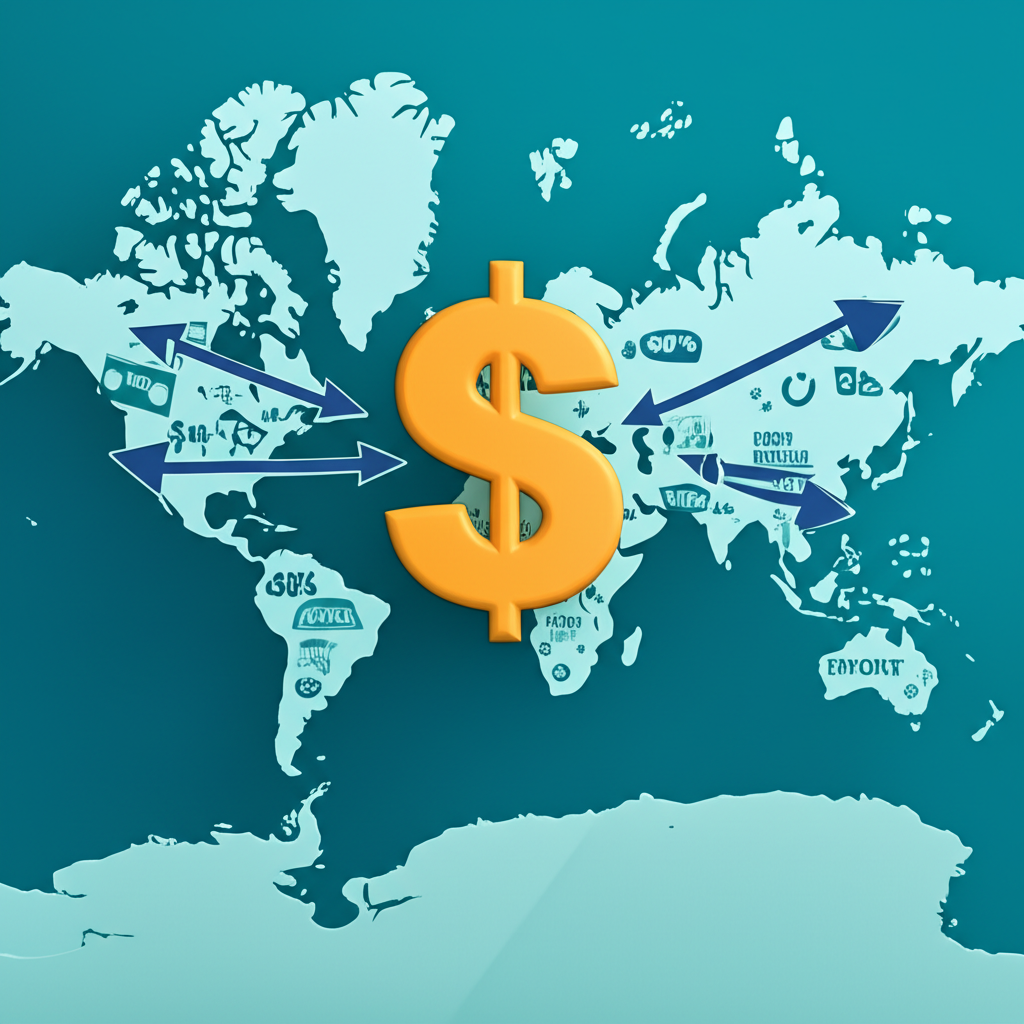
Introduction: The Ongoing Tension Between the US Dollar and Emerging Markets
For American investors, the push and pull between the US Dollar Index (DXY) and emerging markets (EM) continues to play a pivotal role in shaping international investment outcomes. This connection often moves in opposite directions: a robust dollar usually creates challenges for developing economies, whereas a softer dollar tends to provide a boost. Looking ahead to 2025, grasping these subtleties becomes even more essential amid shifting global conditions. In this analysis tailored for US investors, we’ll explore the key influences on DXY and EM trends, along with practical strategies to steer through the changing economic terrain.
By examining historical patterns and forward projections, US investors can better position their portfolios to capture growth opportunities while managing risks tied to currency fluctuations and market volatility.
What Is the US Dollar Index (DXY) and Why Should US Investors Care?
The US Dollar Index (DXY) gauges the dollar’s value against a basket of six key foreign currencies: the euro (EUR), Japanese yen (JPY), British pound (GBP), Canadian dollar (CAD), Swedish krona (SEK), and Swiss franc (CHF). Introduced in 1973, it acts as a vital indicator of the dollar’s global standing relative to its main trading counterparts. For US investors, DXY shifts carry real weight, affecting multinational company profits, import prices, and export viability. When the dollar gains strength, American products become pricier overseas, which might squeeze earnings; on the flip side, a weaker dollar enhances the appeal of overseas holdings when repatriated to USD.
Key Drivers Shaping the US Dollar Index in 2025
Several linked economic forces will likely steer the DXY’s path in 2025:
- Federal Reserve Monetary Policy: The Fed’s decisions on interest rates and balance sheet adjustments stand out as the top influence. Elevated rates draw in international funds, bolstering the dollar, whereas more accommodative moves can erode its value. Traders will scrutinize updates on inflation targets and job market health for clues.
- US Economic Growth Outlook: Solid GDP expansion and tight labor markets in the US generally underpin a firmer dollar, highlighting lucrative prospects and superior yields for investors.
- Global Risk Sentiment: During worldwide turbulence or stock market swings, the dollar steps up as a refuge. Capital rushes into USD assets, lifting its price. Events like geopolitical flare-ups or downturns elsewhere can spark these protective shifts.
- Inflation Expectations: Ongoing price pressures in the US may keep the Fed hawkish, propping up the dollar. If inflation eases without derailing growth, however, policymakers might ease up, opening the door to a softer currency.
- Fiscal Policy in the United States: Spending habits, tax strategies, and deficit sizes can sway the dollar. Swelling deficits, for example, might spark worries over debt burdens, exerting subtle downward force, though these dynamics often blend with broader influences.
Understanding Emerging Markets: Definitions, Indices, and 2025 Growth Prospects
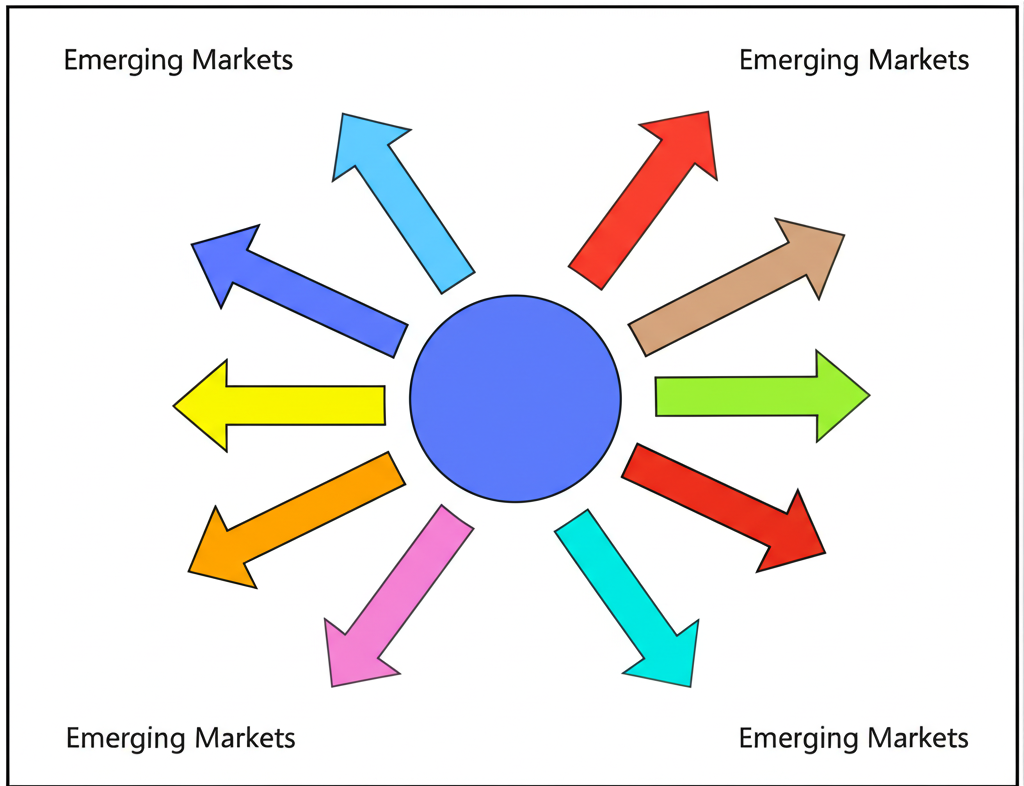
Emerging markets refer to fast-developing economies undergoing industrialization, with per capita incomes below those of advanced nations yet boasting superior expansion possibilities. These markets bring higher ups and downs along with diversification perks and elevated return potential. Prominent trackers like the MSCI Emerging Markets Index and the FTSE Emerging Index monitor these varied regions, serving as go-to references. Heading into 2025, EM allure stems from youthful populations, expanding consumer bases, and skips ahead in tech adoption, though pitfalls like governance issues, exchange rate swings, and exposure to worldwide disruptions loom large.
Factors Influencing Emerging Market Performance in 2025
A mix of worldwide and local elements will mold EM outcomes next year:
- Commodity Prices: As big players in raw materials production and use, EM nations feel the pinch from swings in oil, metals, and crops, which ripple through trade surpluses, public budgets, and business bottom lines.
- Global Trade Dynamics: Export-heavy EMs thrive on open borders and brisk international buying. Escalating trade disputes or fading global momentum can crimp their progress sharply.
- Geopolitical Stability: Tensions from local wars, civil disorder, or diplomatic rifts can scare off outside money and halt normal operations in EMs.
- Domestic Policies (Fiscal and Monetary): Smart budgeting, steady central bank actions, and reforms like streamlining business setups or fortifying legal systems are cornerstones for steady progress and drawing investor trust.
- Capital Flows: EMs react keenly to cross-border money movements. Optimistic vibes pull funds in, fueling asset rallies; cautious times prompt exits.
- Sovereign Debt Levels: Heavy borrowing in dollars leaves EMs exposed to dollar rallies, hiking repayment burdens and default chances.
The Core Relationship: Explaining the Correlation Between Dollar Index and Emerging Markets
Over time, the US Dollar Index and emerging markets have shown a clear inverse link. DXY gains typically drag EM performance down, and the reverse holds true. This pattern arises from core channels:
- Capital Flows: Dollar surges, fueled by US rate hikes, siphon funds from EMs to safer USD options. These sudden exits can tank local stocks, bonds, and currencies.
- Debt Servicing Costs: With much EM debt in dollars, a beefier USD inflates local-currency repayment needs, straining finances and heightening crisis risks.
- Commodity Prices: Dollar-priced staples like oil and metals grow costlier for non-USD buyers during dollar strength, curbing demand and hurting exporter EMs.
- Trade Competitiveness: A mighty dollar hikes US export prices worldwide, but a limp one aids them. For EMs, depreciating currencies can sharpen export edges, tempered by pricier imports.
The table below outlines typical effects:
| Scenario | Impact on US Dollar Index (DXY) | Impact on Emerging Markets (EM) |
|---|---|---|
| Strong USD | Higher DXY value |
|
| Weak USD | Lower DXY value |
|
Navigating the 2025 Landscape: Challenges and Opportunities for US Investors
Expect 2025 to unfold in a multifaceted economic setting that could tweak the classic DXY-EM interplay. The Federal Reserve will likely stay alert to inflation, leaning toward steady rates or slight reductions if prices cool markedly. Worldwide growth predictions paint a patchy scene, with certain areas possibly surging ahead.
EMs face hurdles in taming their own inflationary fires without choking expansion, particularly if commodity costs stay high. Ongoing geopolitical strains in places like Eastern Europe and Asia might spark bouts of caution, briefly elevating the dollar. That said, promising avenues exist in EMs showing solid internal demand, disciplined finances, and reform momentum. Nations strong in high-demand fields like tech or green energy parts, and those dodging heavy dollar debt, could prove more durable. For instance, select Southeast Asian or Latin American spots with better trade footing and calmer politics may lead the pack. The International Monetary Fund’s World Economic Outlook offers valuable forecasts to guide such evaluations, highlighting disparities in recovery paces across regions.
Investment Strategies for US Investors in 2025
US investors tackling the DXY-EM tensions next year have several approaches at their disposal:
- Hedging Strategies Against Dollar Volatility: Those heavily invested in EMs could use futures, options, or hedged ETFs to shield against unfavorable dollar swings, preserving returns amid uncertainty.
- Diversification Within EM: Skip broad EM bets; instead, spread across regions, nations, and industries. Frontier markets might deliver outsized gains but pack more punch in risks. Target areas insulated from dollar power, like consumer-focused sectors thriving on local spending.
- Utilizing ETFs and Mutual Funds: These vehicles simplify broad EM access, from all-encompassing funds to targeted ones by geography, country, or theme, fitting various risk appetites.
- Consideration of Currency-Hedged EM Investments: Worried about a potent dollar? Opt for hedged EM ETFs or funds that deliver equity exposure while offsetting local currency dips versus the USD.
Forex Brokers for Trading EM and DXY in the United States (2025)
Active US investors and traders eyeing direct plays in currency arenas, from emerging market pairs to the US Dollar Index, need a trustworthy, compliant forex broker. Prioritize low spreads, solid platforms, diverse offerings, and dependable service to execute trades smoothly.
Table: Top Forex Brokers for Dollar Index & Emerging Markets Trading (2025) for US Investors
| Broker | Key Advantages for US Investors (2025) |
|---|---|
| 1. Moneta Markets |
|
| 2. OANDA |
|
| 3. IG |
|
Conclusion: A Strategic Outlook for US Investors in 2025
The dynamic between the US Dollar Index and emerging markets will define much of the financial world in 2025. For American investors, mastering this interplay goes beyond theory-it’s vital for smart choices and building resilient portfolios. The longstanding inverse tie should endure, but twists from Fed actions, international expansion, and stability concerns may add layers. Managing currency risks head-on, diversifying smartly in EMs, and picking the right tools and brokers will help seize upsides and curb downsides. With the global scene in flux, flexibility backed by thorough research marks the path to thriving investments. Keep tabs on Federal Reserve’s FOMC meetings for signals on DXY directions.
Frequently Asked Questions (FAQ)
Is a weak US dollar good for emerging markets?
Yes, in most cases. A softer US dollar eases the burden of dollar-based debt for EM governments and firms when repaid in local terms. It also draws investment into EMs as seekers of better yields look abroad, lifting stocks and bonds. Plus, cheaper USD-priced commodities aid exporters in those regions by spurring buyer interest worldwide.
Is the dollar index still relevant for 2025 analysis?
Definitely. The DXY stays a cornerstone for 2025 insights, succinctly capturing the dollar’s stance versus major currencies. It mirrors risk moods, Fed expectations, and fund shifts, profoundly affecting trade, commodities, and EM assets-making it indispensable for US investors to track.
What does the dollar index tell you about global economics?
The DXY reveals much about the world economy. An uptick often signals safe-haven seeking amid doubts, pointing to jitters. It may also reflect bets on stricter US policy or US outperformance. A drop, meanwhile, hints at bolder risk-taking, Fed easing, or US relative softness-a pulse on global flows and sentiment.
What is an emerging markets index, and how do US investors access it?
Indices like the MSCI Emerging Markets Index benchmark stocks or bonds across developing nations, giving a snapshot of their vitality and yields. US investors tap into them via ETFs or mutual funds that mirror these gauges, bought through everyday brokers. Platforms such as Moneta Markets, OANDA, or IG enable this diversified entry.
How has the Dollar index vs emerging markets performed today?
For today’s precise DXY and EM movements, check live data feeds or trusted news outlets. They deliver instant DXY quotes next to EM index stats (like MSCI EM) and currency updates. The link shifts quickly, even intraday.
What is the Nominal Emerging Market Economies U.S. Dollar Index?
This specialized index tracks the dollar’s nominal worth against a wider set of EM currencies, beyond the DXY’s major six. It zeroes in on dollar swings’ direct effects on developing areas, shedding light on trade and finance strains in those markets.
Can I see a Dollar index vs emerging markets chart for historical data?
Certainly. Sites for financial data, trading apps, and research hubs host historical DXY versus EM index charts (e.g., MSCI EM), highlighting the typical opposite trends-DXY climbs as EMs lag, and vice versa. Brokers like Moneta Markets equip MT4/MT5 with overlay features for side-by-side views.
How does the MSCI Emerging Market Currency index relate to DXY?
The MSCI Emerging Market Currency Index follows EM currencies’ performance against the USD as a baseline. It inversely tracks the DXY: a stronger DXY usually weakens EM currencies, pulling the index down; a weaker DXY lifts them, pushing it up. This tool directly measures EM currency resilience against the dollar.
What are the benefits of using a broker like Moneta Markets for trading emerging market currencies?
Moneta Markets suits US traders of EM currencies with tight spreads that cut costs on volatile exotics. MT4 and MT5 platforms deliver pro-level analysis and execution tools. The extensive pair selection opens doors to targeted EM plays, all under FCA licensing for US client security and compliance.
 English
No responses yet